
Summary
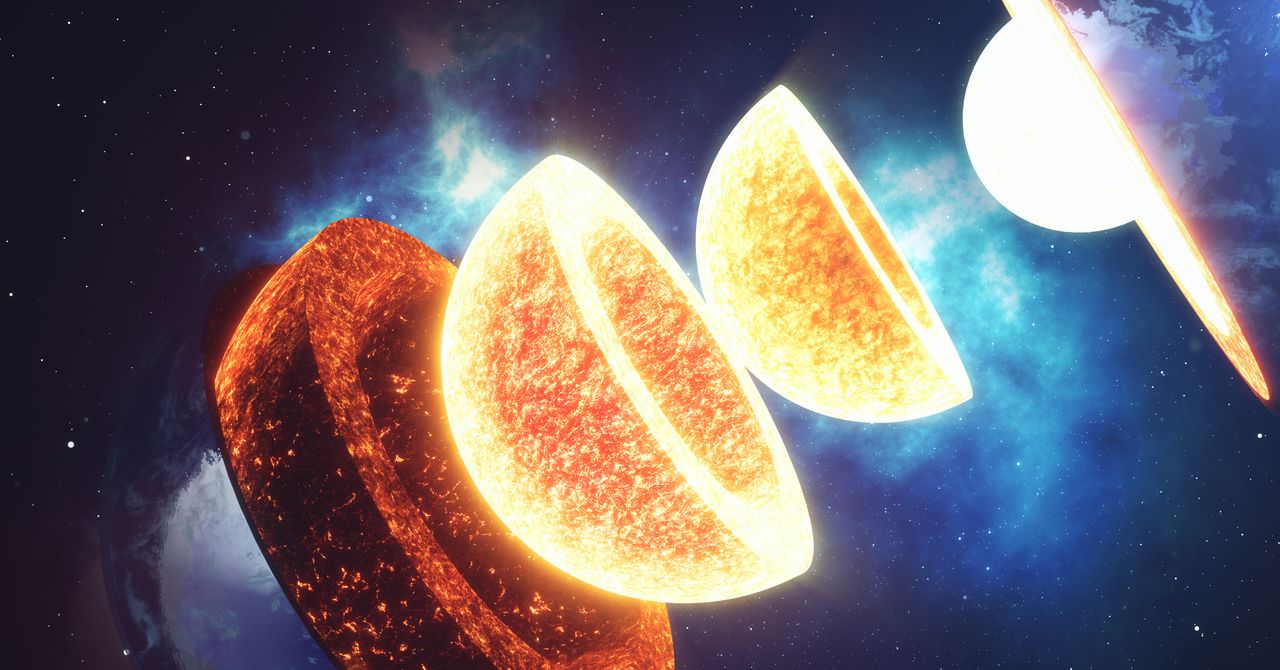
Recent studies reveal a fascinating interplay of gravitational forces deep within the Earth that is affecting the rotation of our planet. The competition between the gravity of the inner core and other forces in the mantle is leading to measurable changes in the length of days.
Key Details
Scientists have identified that the gravitational pull exerted by the Earth’s inner core is engaging in a constant battle against various forces present in the mantle. This dynamic is not just a mere curiosity; it has tangible effects on how long a day lasts. The findings suggest that as these forces interact, they create fluctuations in Earth’s rotation, making days slightly longer or shorter.
- Research Findings: Studies indicate that the gravitational struggle has been ongoing and is becoming more pronounced.
- Impact on Daily Life: Changes in day length, though minor, could have implications for timekeeping and navigation.
- Scientific Interest: This phenomenon has sparked interest among geophysicists and earth scientists, leading to further exploration of Earth’s internal dynamics.
Why It Matters
The implications of this gravitational battle extend beyond academic curiosity. Understanding how these forces affect our planet’s rotation can enhance our knowledge of Earth’s internal structure and dynamics. Additionally, as global positioning systems and navigation technologies rely on precise measurements of time, any changes in day length could necessitate adjustments in these systems.
What Could Happen Next
As research continues, scientists may uncover more details about the mechanisms driving these gravitational interactions. Future studies might lead to better predictive models for Earth’s rotational changes, potentially revolutionizing timekeeping systems. Moreover, this ongoing investigation could open new avenues in understanding seismic activity and the overall health of our planet’s interior.